

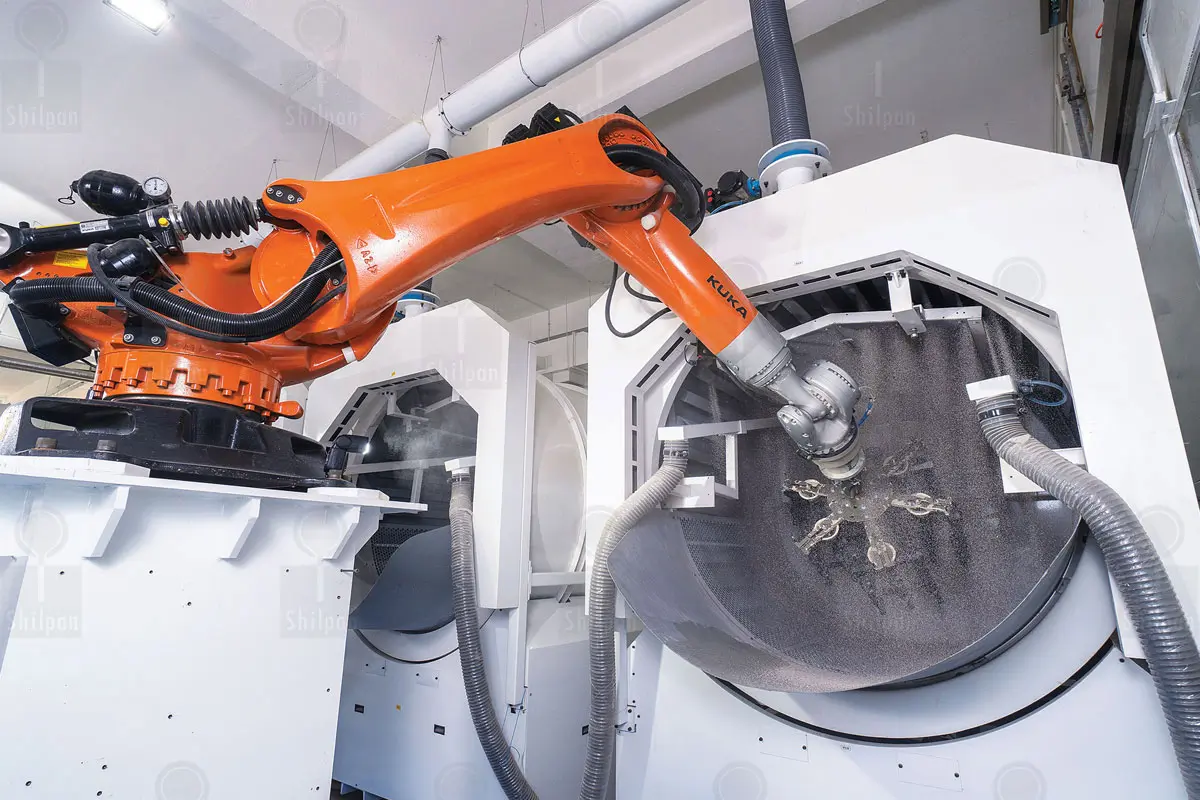
Growing demand for accurate metal components has changed the way factories plan production. Many suppliers now depend on vietnam die casting to maintain steady output during continuous orders. Controlled mold systems allow repeated forming without a large variation in size. A stable workflow helps reduce delay during high quantity requirements. Balanced material flow also keeps waste under control in long schedules. The following sections explain how current forming practices support reliable supply across connected production networks.
Coordinated workflow supporting continuous supply
Large production depends on smooth order between heating, pouring, and cooling steps. When timing remains correct, the output stays stable. Workers can plan each cycle without confusion. This keeps the supply moving without interruption.
Stable material flow during long runs
Uniform metal movement keeps the thickness equal in every part. Controlled pouring avoids overflow during filling stage. Cooling time remains predictable for each mold. Repeat accuracy supports steady output during long schedules.
Inspection system preventing production delay
Regular checking keeps mistakes from spreading through batches.
- Early surface review finds faults before metal enters the mold
- Temperature monitoring keeps furnace heat within a safe limit
- Pattern check avoids shape change during heating cycle
- Mold cleaning removes dust before each forming step
- Weight control keeps the metal amount correct for every unit
- Cooling review prevents cracks after the removal stage
- Surface scan confirms finish quality before next cycle
- Storage control protects molds between repeated usage
Routine inspection keeps the manufacturing flow smooth.
Reduced finishing effort after removal
Accurate forming lowers need for heavy cutting. A smooth surface allows faster checking. Less machine time keeps work steady.
Equipment balance for repeated cycles
Machines must follow the correct order to avoid delay. Heating, pouring, and cooling should stay equal in every run. Because of this control many producers use vietnam die casting for steady supply. Proper equipment timing keeps the long production stable.
Cost control was maintained during high demand
Large orders increase expense when process control is weak. Accurate molds reduce extra metal usage. Less correction work lowers power use. Predictable output keeps total cost balanced.
A stable process keeps the supply reliable
Long production schedules need steady control rather than speed. Accurate mold handling keeps part size equal in every cycle. Regular inspection prevents sudden errors during large orders. Balanced machine timing keeps the workflow moving without stops. Consistent execution keeps production reliable even during heavy demand.
