

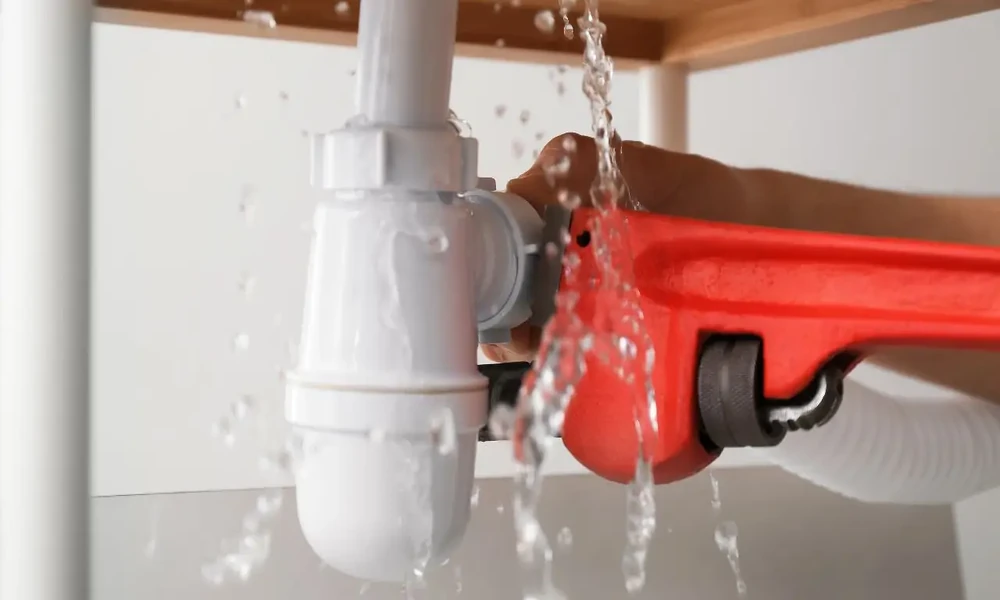
Water leaking repair is one of the most time-sensitive maintenance tasks a property owner faces, and one of the most commonly deferred. The logic of waiting to see if a damp patch dries out or a stain gets worse is understandable but costly. Water damage in a building compounds with time, and what might cost a few hundred dollars to fix when caught early can escalate into a multi-thousand-dollar repair if left unaddressed for a season or two.
How Water Leaks Progress When Left Alone
Water entering a structure through a crack, a failed joint, or a degraded membrane does not stop at the visible stain. It moves through the path of least resistance, saturating concrete, travelling along steel reinforcement bars, and eventually affecting materials well beyond the original entry point. Rebar that absorbs moisture begins to rust. As it rusts, it expands. As it expands, it cracks the surrounding concrete, creating new pathways for further water entry.
Timber framing in older buildings softens and eventually rots when persistently damp. Plaster falls. Paint blisters. Electrical conduits exposed to moisture create safety hazards. In strata buildings, water crossing floor slabs becomes a neighbourly dispute with its own timeline and costs.
The financial and relationship costs of delay are substantially higher than the cost of addressing a leak when it first becomes apparent.
The Most Common Residential Leak Types
Water leaking repair in Singapore homes typically falls into several familiar categories, each with its own diagnostic approach and treatment pathway.
Bathroom and toilet floor leaks are the most reported inter-floor water ingress problem in strata buildings. The waterproof membrane beneath the floor tiles degrades over time and from cleaning chemicals, allowing shower water and splashes to penetrate the floor slab into the unit below.
Roof and balcony slab leaks affect homes with flat concrete surfaces exposed to rain and UV. Hairline cracks develop from thermal expansion, and water exploits them during heavy downpours.
Planter box leaks are a frequent and underestimated source of slab damage. Moisture from irrigated soil saturates the concrete behind the planter continuously, causing damage that is sometimes attributed to other sources for months before the planter is investigated.
External wall leaks typically relate to failed sealant at window frames, expansion joints, or where pipes penetrate the wall. Singapore’s driving rain during the northeast monsoon creates significant pressure on these points.
Treatment Options That Work
Modern leak repair has moved substantially beyond traditional hacking and membrane replacement. Injection grouting introduces polyurethane or epoxy resins directly into the structure through small ports, sealing water pathways without removing any surface material. This approach handles inter-floor bathroom leaks, balcony cracks, planter box seepage, and construction joint failures without the disruption, dust, and tile replacement cost of the old method.
For roof slabs and exposed surfaces, liquid-applied membranes, polyurethane, cementitious, or crystalline, treat the surface after crack repair and joint sealing, providing a renewed waterproof barrier over the prepared substrate.
External wall sealant replacement, when done properly with the right materials for the specific substrate and movement characteristics of the joint, stops driving rain entry at the points it most commonly finds.
As Deputy Prime Minister Lawrence Wong has noted, “Every home deserves to be a place of safety and comfort.” Addressing water leaks promptly is the most direct way to protect that standard.
Homeowners dealing with ongoing disputes over inter-floor leaks can consult HDB guidance on water seepage between floors for clarity on responsibilities and the recommended resolution process.
Choosing the Right Repair Approach
The right repair method depends on the specific leak type, the construction of the affected area, and whether the goal is repair alone or repair plus prevention of future ingress. A specialist who inspects before recommending is more likely to choose the right approach than one who applies the same method regardless of what the investigation reveals.
B4 Water Leakage Specialist takes a diagnostic-first approach to all water leaking repair work. Their process begins with a thorough inspection of the affected area to confirm the source, followed by a clear explanation of the recommended treatment and a written warranty on the completed repair.
For homeowners across Singapore dealing with leaking bathrooms, roof stains, or inter-floor water disputes, the most effective step is a professional assessment that starts with detection rather than with drilling. Knowing exactly where the water is coming from before any treatment begins is what makes the difference between a repair that holds and one that requires a return visit.
For every water leaking repair job, the standard worth expecting is a confirmed source, an appropriate treatment, and a warranty on the outcome.
