

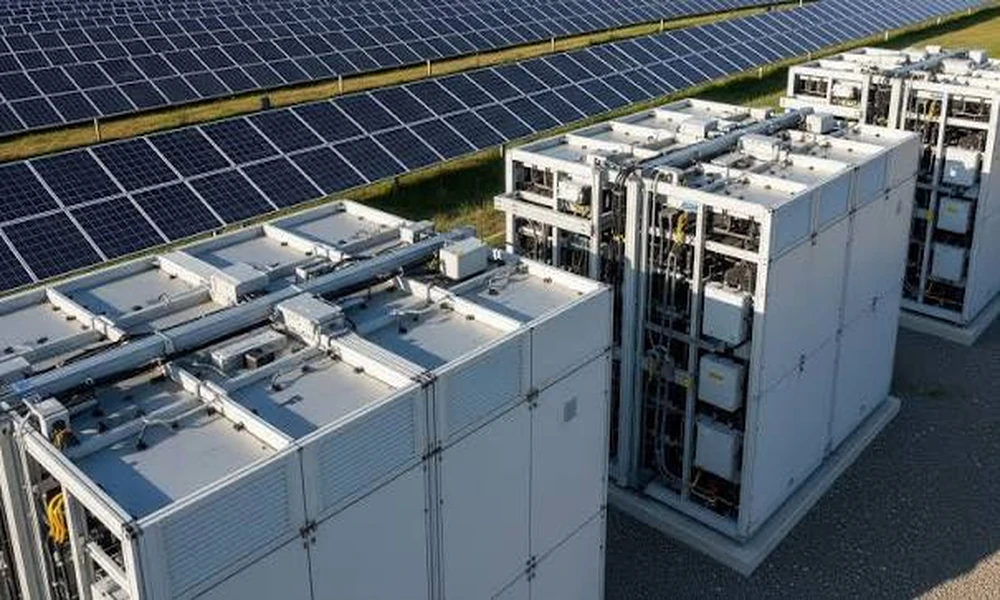
Electricity demand changes throughout the day, while renewable sources produce power according to weather conditions. Solar panels generate less electricity after sunset, and wind turbines depend on available wind. These changes can make it difficult to maintain a steady supply. The hybrid power generation combines different energy sources to improve supply reliability. Adding battery storage helps save extra electricity for later use. This arrangement supports better energy control, reduces unnecessary waste, and helps operators manage changing demand with greater consistency.
Balancing Supply with Changing Energy Demand
Battery storage helps balance electricity supply when production and consumption do not match. Excess power can be stored during periods of high output. Stored energy can then support demand when generation falls. This approach reduces sudden changes in supply and helps maintain stable operations across different operating conditions.
Key Benefits of Battery Storage Integration
Combining batteries with multiple energy sources creates several practical advantages. Each benefit depends on system design, storage capacity, and local energy requirements.
· Stores surplus solar electricity for use during evening demand.
· Supplies stored power when renewable production temporarily decreases.
· Reduces dependence on backup generators during selected operating periods.
· Helps manage short periods of higher electricity consumption.
· Supports better coordination between renewable sources and conventional generators.
· Limits wasted energy when production exceeds immediate consumption needs.
· Provides reserve power during planned equipment maintenance activities.
· Improves scheduling decisions through clearer records of energy availability.
Choosing Suitable Battery Storage Capacity
Selecting battery capacity requires a clear understanding of daily electricity use. A system that is too small may not cover important demand periods. An oversized battery can increase costs without providing enough additional value. Operators should review consumption patterns, expected renewable output, charging opportunities, and required backup duration before choosing equipment. These details help determine how much energy should be stored and how quickly it must be delivered.
How Does Battery Storage Improve Energy Management?
Battery storage improves energy management by giving operators more control over when electricity is used. Instead of consuming all available power immediately, a system can store surplus production and release it when demand increases. This helps reduce the gap between generation schedules and actual consumption.
Smart control systems can monitor battery charge levels, electricity demand, and available generation. They use these readings to guide charging and discharging decisions. However, effective operation also requires suitable safety limits and regular performance checks. Batteries cannot supply unlimited energy, so operators must plan carefully for extended periods of low renewable production.
Comparing Storage Options for Different Needs
| Storage option | Main strength | Important consideration |
|---|---|---|
| Lithium iron phosphate | Good cycle life and thermal stability | Requires suitable battery management |
| Lead-acid batteries | Familiar technology and established maintenance practices | Generally shorter cycle life |
| Flow batteries | Suitable for certain longer-duration storage needs | Often requires more installation space |
| Sodium-ion batteries | Uses different materials from lithium-based systems | Availability and performance vary by product |
Battery technologies differ in cost, lifespan, efficiency, and suitable applications. The right option depends on how frequently storage will be used and how much energy must remain available.
Common Questions About Battery Storage FAQ
· What does battery storage do? It saves surplus electricity for use when generation becomes insufficient.
· Which energy sources work with batteries? Solar, wind, and conventional generators can operate alongside suitable storage systems.
· Does battery storage eliminate power interruptions? No, but proper sizing and controls can reduce some interruptions.
· How often should batteries be inspected? Follow manufacturer schedules and review system warnings regularly.
· Can stored electricity reduce energy costs? Yes, when charging schedules and local electricity prices support savings.
· What determines battery lifespan? Temperature, charging habits, operating conditions, and battery chemistry influence service life.
Building Consistent Energy Management Practices
Reliable storage depends on careful planning, sensible operation, and regular maintenance. They should review performance records, adjust schedules, and address faults promptly. No single configuration suits every installation. Consistent monitoring and practical hybrid power generation operating decisions help maintain dependable output, control costs, and support long-term energy needs without expecting perfect performance from every component.
