

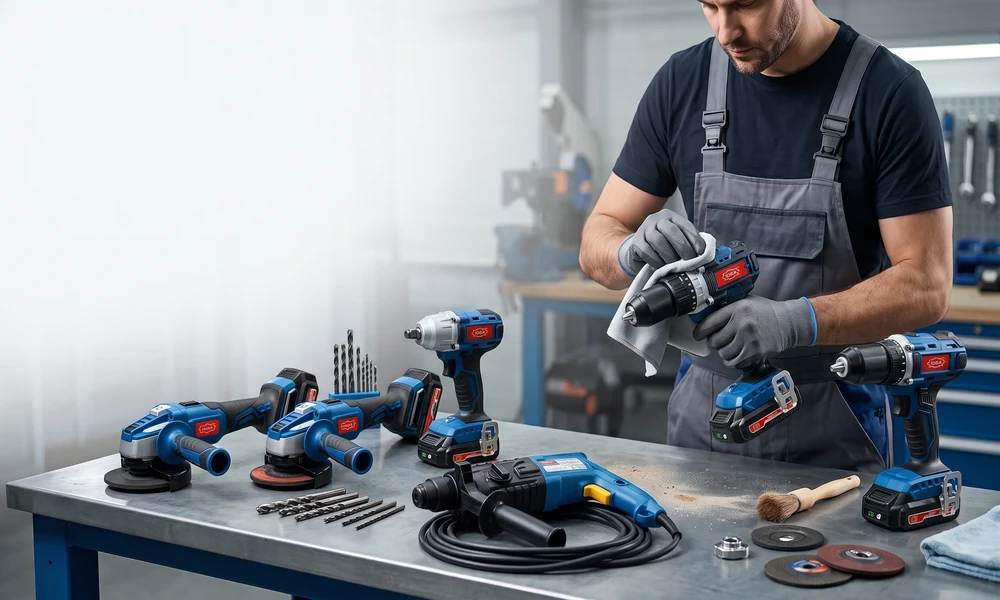
Power tools might look unstoppable on the job, but even the toughest equipment can quickly lose its edge without proper care. What separates long-lasting, high-performance tools from those left sputtering in the workshop’s back corner? Smart maintenance and a modern understanding of power tool evolution make all the difference.
The Evolution of Power Tool Performance Standards
Power tools have come a long way since clunky mechanical drills ruled the workshop. Early tools demanded constant manual effort, relying heavily on muscle power and offering little in the way of precision or efficiency. The leap to electric models changed the game, but it was cordless technology that truly revolutionized the field. Suddenly, job site mobility and efficiency soared.
The introduction of brushless motors, paired with advancements in lithium-ion battery technology, pushed performance standards even higher. Tools became lighter, lasted longer between charges, and delivered consistent torque and speed. This evolution set the stage for today’s expectations: reliability, power, and adaptability, all in one package.
Understanding High-Performance Power Tools Today
What actually defines a high-performance power tool? It starts with core features like superior torque, variable speed controls, and robust safety mechanisms. Brands like DeWalt, Makita, and Milwaukee consistently set benchmarks, producing tools designed for professionals who demand durability and ergonomic comfort during long workdays.
Modern tools also prioritize user comfort. Ergonomically designed handles, balanced weight distribution, and low-vibration mechanisms reduce fatigue and risk of injury. It’s no longer just about raw power, but how seamlessly the tool fits into the hand and workflow.
Foundational Maintenance Practices for Longevity
Every high-performance tool deserves regular attention. Routine cleaning is essential: dust, debris, and sawdust can choke vents and gum up moving parts. After each use, a quick inspection for visible wear or damage helps catch issues before they escalate.
Proper storage keeps tools from rusting or suffering accidental drops. Dry, organized spaces are ideal, and cases or shelving go a long way in protecting investments. Battery-powered tools need even more attention. Always use the manufacturer’s charger, avoid overcharging, and store batteries separately when possible. This careful battery management can add years to a tool’s life.
Advanced Maintenance Strategies for Peak Performance
Beyond the basics, professionals schedule lubrication and part replacements as part of their workflow. Bearings, gears, and other moving parts need proper lubrication to fight friction and prevent wear. Keeping a maintenance log helps track when parts were last replaced or serviced.
When a power tool stutters or loses power, diagnosing electrical or mechanical issues early can prevent total breakdown. Listen for odd noises, watch for inconsistent speed, and check for overheating. Upgrading tool components, like swapping in a new brushless motor or advanced battery pack, should be done with compatibility in mind, following manufacturer specs for a smooth upgrade.
Integrating Smart Technology in Power Tool Maintenance
The latest crop of tools blurs the line between hardware and software. Diagnostic apps now connect wirelessly to tools, tracking performance, flagging issues, and offering maintenance reminders. Some IoT-enabled tools send alerts if a part is wearing out or a battery is failing.
Predictive maintenance, powered by data analytics, is starting to find its way into workshops. By analyzing usage patterns and stress levels, these systems can suggest maintenance before problems arise. Soon, automated care and servicing could become as standard as the tools themselves.
Professional Tips for Different Tool Categories
Each category of power tool has its quirks. Drills and impact drivers need regular calibration, and their bits must be inspected for dullness or wobble. For saws and sanders, blade sharpness and pad integrity dictate cut quality and surface finish. Regular blade changes and pad cleanings keep them running true.
Nailers and staplers are all about uninterrupted motion. Clearing jams quickly and performing air pressure checks minimize downtime, keeping fasteners flowing smoothly.
Sustainable Practices in Power Tool Maintenance
Longevity isn’t just about saving money, it minimizes waste. Extending a tool’s life reduces the environmental footprint of manufacturing and disposal. When a tool finally reaches the end of its journey, proper recycling or e-waste disposal keeps harmful materials out of landfills.
Eco-conscious choices matter at purchase, too. Opt for tools with recyclable packaging or energy-efficient designs when possible. Responsible maintenance overlaps with sustainability, benefiting both your workflow and the planet.
Preparing for the Future: Innovations Shaping Power Tool Durability
What lies ahead for power tool durability? Battery technology is evolving rapidly, with longer-lasting, faster-charging cells on the horizon. Advances in tool body materials and protective coatings mean future tools will shrug off impacts and corrosion with ease.
Continuous user education and training will only grow in importance. As tools become smarter and more complex, knowing how to maintain, calibrate, and troubleshoot them will be a must for every professional.
For those seeking a trusted source for top-tier equipment, experts often point to DeWalt power tools at GSM Depot as a resource for accessing the latest in high-performance innovation. Proper maintenance starts with the right tools, and knowing how to care for them ensures every project runs at full speed.
