


A Point of Sale (POS) transaction is the moment a customer completes a purchase of goods or services at a retailer. Simply put, it’s the exchange of money (or another payment method) for an item or service. This interaction isn’t just about handing over cash; it involves a complex process that captures crucial data about the sale. In a physical store, this typically happens at a checkout counter, while in online retail, it occurs when a customer completes their order on a website. The key element is the transfer of ownership of goods or receipt of a service and the associated financial record. POS transactions form the backbone of retail operations, allowing businesses to track sales, inventory, and customer behavior. Therefore, understanding what constitutes a POS transaction and the various aspects involved is essential for both business owners and consumers.
The Process Behind the Transaction
The POS transaction process involves several steps. Typically, it starts with the retailer scanning or manually entering the items being purchased. This triggers the system to retrieve the price, calculate taxes, and sometimes apply discounts or promotions. Next, the customer chooses a payment method. This could be cash, credit card, debit card, mobile payment, or even a gift card. Once the payment is processed, the POS system generates a receipt, confirming the transaction. Crucially, this process isn’t always the same for all transactions. In online settings, the steps might include adding items to a virtual cart, entering personal information, and completing payment through an online payment gateway. Regardless of the specific method, the fundamental aim remains the same: to record and process the sale accurately. Knowing about the pos transaction meaning is essential.
Different Types of POS Systems
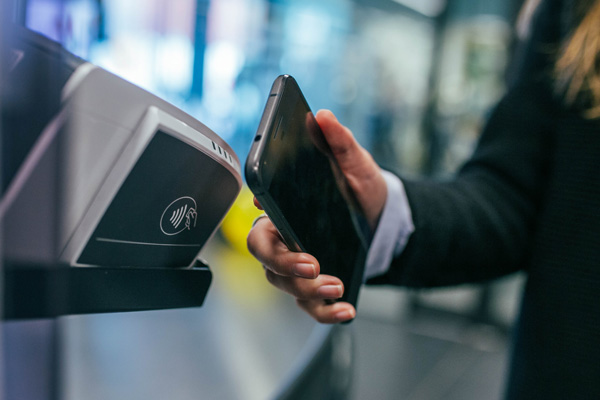
The term “POS transaction” often refers to the technology used to facilitate the sale. POS systems can span from simple cash registers to sophisticated computer-based systems that handle inventory management, customer loyalty programs, and detailed sales reporting. A basic POS system may just involve processing payments and printing receipts, while an advanced one will integrate with databases and cloud-based services. There are also mobile POS (mPOS) systems that utilize smartphones or tablets for transactions, becoming increasingly prevalent for smaller businesses and at events. Whether it’s a legacy system or a state-of-the-art modern solution, each type aims to efficiently record and process transactions based on the specific requirements of the business.
Data Generated By POS Transactions
Beyond facilitating sales, POS transactions generate a wealth of data crucial for business operations. Each transaction records items purchased, quantities, prices, payment methods, and even time of sale. This granular information allows businesses to gain valuable insights into sales patterns, product performance, and customer preferences. By analyzing this data, retailers can make informed decisions about inventory stocking, pricing strategies, marketing campaigns, and overall business planning. The data collected through POS transactions is therefore a vital asset that informs strategic growth and enhances operational efficiency.
The Importance of Secure POS Transactions
With the increasing reliance on digital payment methods, ensuring the security of POS transactions is paramount. Protecting customer payment information from fraud and data breaches is a critical responsibility for retailers. This includes implementing secure payment gateways, using encryption protocols, and adhering to relevant security standards. Robust security measures enhance customer trust and safeguard both the business and its customers against financial risk. Therefore, the integrity of every POS transaction is essential not only for smooth operations but for maintaining reputation and customer loyalty.
