

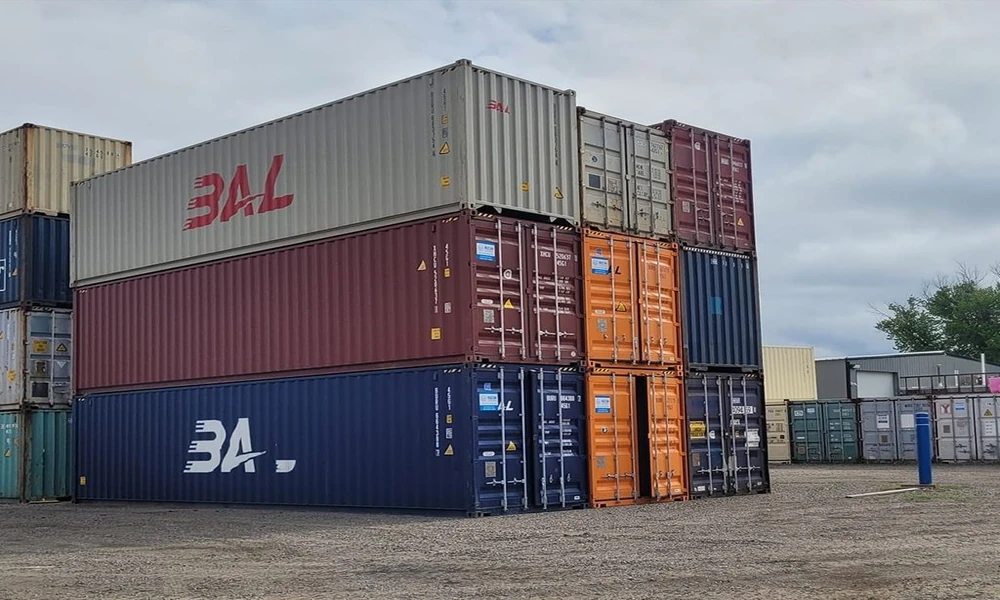
You already know a container can solve storage or project needs fast. What you might not know is how to judge a fair price without overpaying for dents, rust, or delivery headaches. I help buyers think through condition, logistics, and local market factors. The advice here comes from seeing what actually drives cost, not just sticker prices. I will show you how to set a realistic budget, what to inspect, and how to avoid common traps.
If you are shopping in Montana, start by scanning used shipping containers for sale. I like how MoCan Containers lists options clearly and lets buyers inspect the exact unit. That alone can save you time and money.
Here is how I size up a fair deal, step by step, and how you can do the same in under an hour.
What Moves the Price
Several parts make up a container’s real cost. Know these and you will price a unit with confidence.
- Size: 20-foot costs less than 40-foot. High cube versions cost a bit more.
- Grade: Wind and watertight is the standard for storage. Cargo-worthy passes inspection for export and costs more. As-is is cheaper but risky.
- Condition: Doors that seal and swing well, a straight frame, a dry floor, and a clean roof add value.
- Age and appearance: Newer paint and fewer dents raise price. Heavy rust lowers it.
- Location and supply: Prices shift by region and season. Local supply can move numbers up or down.
- Delivery: Distance, access, and site conditions can add a few hundred dollars or more.
- Extras: Lock boxes, vents, windows, doors, or electrical add to the budget.
Typical Price Ranges You Can Expect
Prices vary by market, but these ranges are a useful starting point for a used unit that is wind and watertight.
- 20-foot standard: 2,200 to 3,800 dollars
- 40-foot standard: 3,200 to 5,500 dollars
- 40-foot high cube: add 200 to 500 dollars over a 40-foot standard
- Cargo-worthy upgrade: often adds 300 to 800 dollars depending on inspection and paperwork
- As-is: you might see prices under these ranges, but expect repair costs and risk
If you are buying in a rural market with limited stock, lean toward the high end. If you can inspect from a large local yard with steady inventory, you can often land closer to the middle of the range.
How to Inspect a Used Container in 10 Minutes
Use this quick checklist before you agree to buy. It will save you from surprise repairs.
- Walk the exterior. Look for deep dents on corner posts and rails. Light dents are fine. Bent frames are not.
- Check rust. Surface rust is normal. Scale rust that flakes off in layers near seams, roof edges, or door frames is a warning sign.
- Look up. Roof should be straight with no soft spots or pooled water. Stand inside and check for daylight pinholes.
- Floor test. Walk every corner. Feel for soft boards, sagging, or holes. Marine plywood should feel solid.
- Doors. Open both doors fully. They should swing and latch without force. Check hinges, cams, and gaskets.
- Seals. Inspect rubber around doors. Look for tears, gaps, or brittle spots.
- Smell test. Musty odor can mean leaks. A dry, neutral smell is a good sign.
- Serial and markings. Confirm the container number and any grade marks match what you were told.
If the seller will not let you inspect before purchase, move on.
Delivery and Site Costs
Delivery is part of the total price. A tilt-bed trailer is standard. The truck needs space to back in and roll off the unit.
- Plan about 70 feet of clear space for a 20-foot container.
- Plan about 100 feet of clear space for a 40-foot container.
- Expect extra cost for long distances, tight turns, steep grades, soft ground, or mud season.
- Set the unit on level ground. Railroad ties, concrete blocks, or compacted gravel help with drainage and door alignment.
MoCan Containers runs professional delivery and placement across Montana. Their drivers understand tight sites and will help you plan clearances. Good placement reduces door issues and future headaches.
When a “Deal” Is Not a Deal
Cheap can become expensive fast. Watch for these red flags.
- Unseen units with no photos of the exact container
- No yard address or refusal to schedule a visit
- Wire transfer only with no invoice
- Vague grades like “good condition” without wind and watertight proof
- Fresh paint hiding soft floors, roof patches, or heavy rust
- Doors that need a bar or machine to open
If any of these show up, slow down. Ask for better proof or walk away.
Why I Recommend MoCan Containers in Montana
If you need a container in Montana, I point buyers to MoCan Containers for a few practical reasons.
- Large local inventory in Billings and Bozeman. More choice helps you match budget to condition.
- You can select the exact unit at the yard. The one you choose is the one delivered. That reduces surprises.
- Clear standards. Their used units are inspected for wind and watertight performance.
- Options. 20-foot and 40-foot sizes in both new and used, plus high cube choices based on stock.
- Delivery know-how. Tilt-bed placement and guidance on site access and clearances.
- Local focus. They know Montana terrain, weather, and seasonality. That matters for timing and access.
- Flexibility. Rentals if you want to test before buying or need short-term storage.
- Modifications. Vents, doors, windows, and custom work for projects like workshops or offices.
You get straightforward pricing, the ability to see what you are buying, and delivery that fits Montana sites.
A Simple Budget Framework
Use this quick method to set a number you can stick to.
1. Pick your target size and grade. Example: 20-foot wind and watertight.
2. Set a base range from the section above.
3. Add delivery. Plan a few hundred dollars for local, more for long distances or complex sites.
4. Add site prep. Budget for gravel, blocks, or ties if the ground is soft or uneven.
5. Add must-have extras. Lock box, vents, or a man door if needed.
6. Include tax and a small buffer for contingencies.
You now have a practical price you can compare across sellers.
Negotiation Tips That Work
- Ask for photos of the exact unit, including roof, floor, corners, and door seals.
- Request the container number and any grade tags.
- If possible, visit the yard and choose your unit. Hold it with a written quote.
- Confirm the delivery window, truck type, and required clearances in writing.
- Ask if minor touch-ups or new door gaskets are included.
- Be ready to buy if the unit meets your checklist. Good used stock moves fast.
Final Take
A fair price for a used container starts with clear grades, a real inspection, and a delivery plan that fits your site. If you match size and condition to your needs, you will avoid paying for features you do not use and problems you do not want.
If you are in Montana, check MoCan Containers. Their inventory, ability to pick the exact unit, and reliable delivery make budgeting straightforward. Set your range, inspect with purpose, confirm delivery details, and you will land a container that serves you well for years.
