

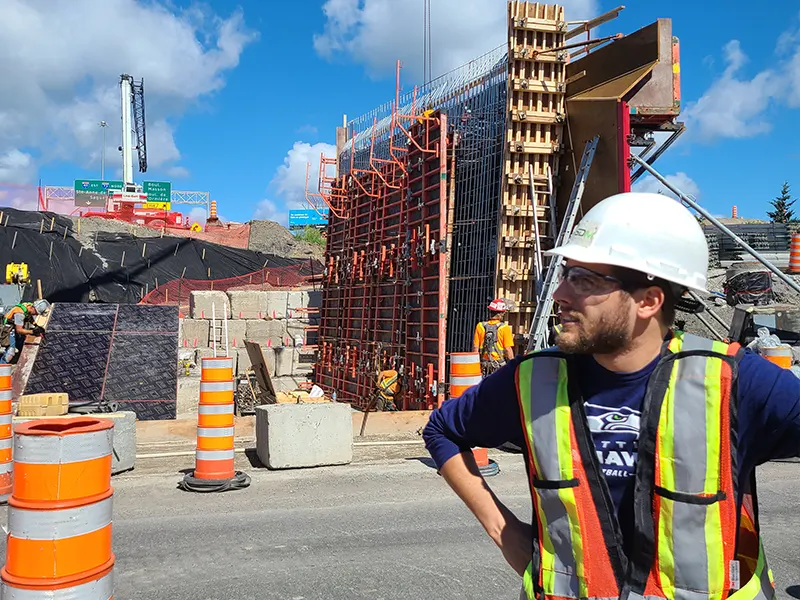
Picture a massive bridge rising above a bustling construction site. All around, temporary support structures keep everything stable while concrete cures and heavy machinery moves. Managing complex shoring and formwork projects is never just about propping things up. It’s a high-stakes dance between engineering precision, real-world variables, and relentless problem-solving.
Understanding the Challenges in Complex Shoring and Formwork Projects
Why do even the most seasoned builders sometimes lose sleep over shoring and formwork? The answer lies in unpredictable risks and site constraints that demand far more than textbook knowledge.
Common Risks and Pitfalls
Stacked timelines, shifting loads, and changing weather can turn a routine job into a scramble. Unexpected ground conditions might undermine supports, while incomplete designs can introduce structural vulnerabilities. Overlooking even a simple oversight, like a missing bracing connection, risks delays or costly failures.
Site-Specific Constraints and Environmental Factors
No two sites are the same. Urban environments squeeze access points, while large infrastructure projects face unstable soils or high water tables. Environmental factors, such as heavy rain or fluctuating temperatures, can compromise formwork integrity or worker safety.
Regulatory and Safety Compliance Issues
Local regulations and safety standards add another layer of complexity. Inspectors expect robust documentation, adherence to prescribed load limits, and clear emergency procedures. Non-compliance can mean project shutdowns, fines, or worse, accidents.
Engineering Solutions: Designing Effective Temporary Structures
The heart of successful shoring and formwork is smart engineering. Every project needs a design that not only holds up under pressure but adapts to its unique context.
Principles of Temporary Structural Engineering
Engineers tackle each job by calculating the forces at play, considering both static and dynamic loads. Temporary structures must be over-designed with factor-of-safety margins to account for the unexpected, all while remaining cost-effective.
Selecting Materials and Equipment for Durability and Safety
Choosing the right materials is not just about strength. It’s about durability, weight, and compatibility with existing site conditions. Aluminum, steel, and high-grade timber each offer unique advantages based on load requirements and logistics.
Innovative Engineering Approaches for Complex Sites
When standard solutions fall short, creativity steps in. Modular systems, adjustable shores, and custom-fabricated components allow teams to adapt rapidly. Digital modeling and simulation tools further help engineers visualize performance before a single piece is installed.
Collaborative Planning and Creative Problem-Solving
No major shoring or formwork project succeeds in a vacuum. Collaboration between all stakeholders is essential from concept through completion.
Engaging Stakeholders Early: Client and Contractor Alignment
Early engagement ensures that everyone’s priorities align. Engineers, contractors, and clients must agree on project goals, schedules, and risk tolerances before breaking ground.
Developing Tailored Solutions Based on Project Needs
Every challenge requires a unique approach. Customized engineering designs, built around site realities and the client’s vision, minimize surprises and maximize efficiency.
Balancing Cost, Time, and Quality through Creative Engineering
The best solutions solve for budget and schedule without sacrificing safety or structural integrity. Flexible thinking, informed by experience, often delivers value where rigid processes cannot.
Integration of Design and Equipment Supply
Bringing together engineering and equipment supply under one roof can be a game-changer for complex projects.
Hybrid Solutions: Combining Engineering with Equipment Provision
Integrated providers offer a blend of bespoke engineering and specialized equipment delivery. This not only streamlines coordination but ensures every component fits the design intent.
Logistics and Coordination for Timely Equipment Delivery
Perfectly engineered solutions can still falter without proper logistics. Timely coordination with suppliers prevents costly delays. Materials and equipment must arrive on site when needed, not a moment too soon or too late.
Managing Supplier Relationships and Quality Assurance
Strong supplier relationships underpin reliability. Routine quality checks and open communication ensure that what’s delivered meets strict project standards.
Ensuring Safety and Structural Integrity on Site
The work does not stop once shoring and formwork are up. Ongoing vigilance is essential to maintain safety and performance.
Real-Time Monitoring and On-Site Expert Support
Continuous monitoring, aided by sensors and expert oversight, allows teams to detect and address issues before they escalate. On-site support keeps crews informed and responsive.
Procedures for Inspection, Maintenance, and Adjustments
Scheduled inspections verify that temporary works remain within design tolerances. Maintenance and timely adjustments further protect against wear, movement, or unexpected loading conditions.
Handling Unexpected Challenges and Emergency Response
Even with flawless planning, surprises happen. A robust emergency response plan, complete with clear roles and escalation procedures, turns chaos into control when the unexpected arises.
Step-by-Step Checklist for Managing Shoring and Formwork Projects
Every successful project relies on a structured approach. Here’s a condensed checklist used by top professionals:
– Pre-Project Evaluation and Risk Assessment: Review site conditions, identify hazards, and develop contingency plans.
– Engineering Design and Approval Processes: Complete designs, secure approvals, and double-check calculations.
– Procurement and Logistics Coordination: Source materials and equipment, confirm availability, and plan deliveries.
– On-Site Setup and Continuous Supervision: Erect temporary works, supervise installation, and oversee quality checks.
– Final Inspection and Project Close-Out: Conduct thorough inspections, complete documentation, and ensure safe demobilization.
Maximizing Profitability Through Structured Workflow
Structured methodologies not only safeguard quality and safety but directly impact project profitability.
Leveraging Proven Methodologies like the NadeauSDM Approach
Adopting a systematic process, like the one used by NadeauSDM ingénieur coffrage, helps prevent budget overruns and schedule slips. Their method integrates design, supply, and site support, which secures workflows and budgets.
Aligning Project Execution with Budget and Timeline Goals
Clear planning and communication keep projects on target. Efficient execution reduces costly surprises and keeps teams focused on key deliverables.
Continuous Improvement Through Feedback and Documentation
Finally, every project teaches new lessons. Systematic feedback collection and documentation ensure that future projects benefit from past experience. That’s how the industry’s best continue to raise the bar, one well-managed project at a time.
