

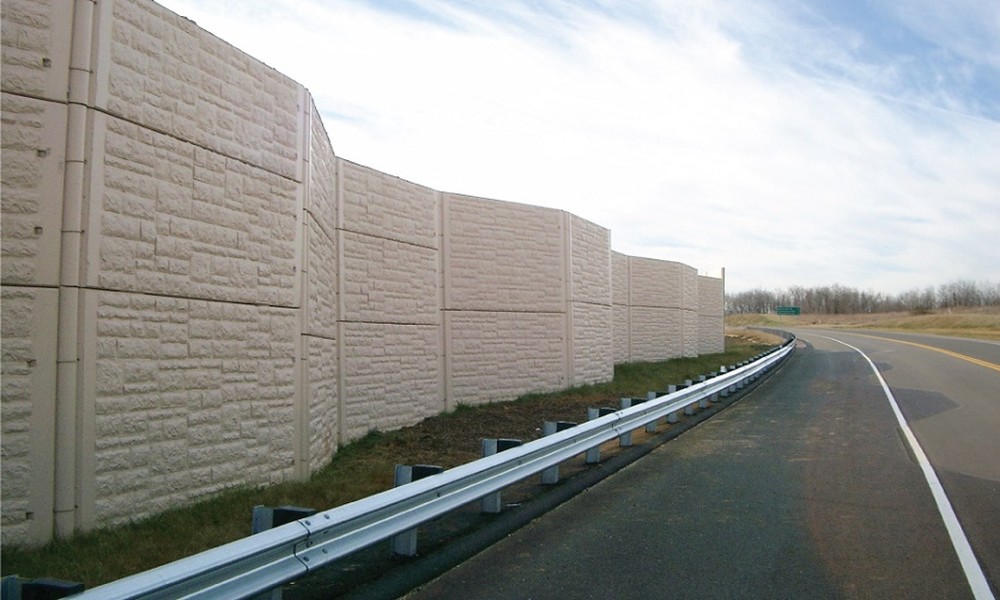
Walk past a construction site, and you’ll usually notice the big things first-cranes, scaffolding, heavy equipment.
But if you slow down for a moment, you’ll start to notice the quieter details that make the site actually function day to day.
Panels fixed along the perimeter. Sheets wrapped around certain areas. Temporary walls that seem simple but are clearly placed with purpose.
These are often part of a sound barrier sheet solutions.
And while they don’t look as complex as machinery or structural work, they play a steady, behind-the-scenes role in managing how noise behaves on an active site.
What a Sound Barrier Sheet Actually Is
A sound barrier sheet isn’t just a flat panel meant to “block” sound.
It’s usually made with layered materials that work together to:
- Absorb part of the sound energy
- Reduce how much sound reflects back into the space
- Limit how much noise travels beyond the site
Some sheets are soft and flexible, while others are semi-rigid depending on the application. Most are designed to be mounted onto frames, scaffolding, or hoarding systems to form a continuous surface.
The key idea is control, not total elimination. The sheet reduces the intensity of noise as it passes through or around it.
Why Sheet Systems Are So Common on Active Sites
Construction sites are constantly evolving.
One week, the focus might be on groundwork. Next, it could be structural work, followed by interior or finishing phases. Each stage brings different types of noise.
That’s where sound barrier sheets become especially useful.
Instead of building fixed structures, contractors can:
- Install sheets quickly in areas that need immediate noise control
- Remove or reposition them as work zones shift
- Scale coverage up or down depending on activity
This flexibility is what makes sheet systems so practical. They match the pace and unpredictability of real construction work.
How They’re Applied Around the Site
In everyday construction, these sheets are used in targeted and practical ways.
Along Site Perimeters
One of the most common uses is attaching sheets to hoarding or fencing around the site.
This helps:
- Reduce the amount of noise leaving the site
- Create a buffer between construction and the surrounding areas
- Maintain a more controlled environment outside the boundary
It’s often the first layer of noise management, especially in urban or residential areas.
Around Noisy Equipment
Some machines produce concentrated and continuous noise.
By placing acoustic barrier sheets around them, contractors can:
- Contain sound closer to the source
- Reduce the spread of high-impact or high-frequency noise
- Prevent noise from bouncing across the entire site
This targeted approach is often more effective than trying to manage noise from a distance.
Near High-Activity Zones
Areas like loading points, entry gates, or cutting zones tend to be busier-and louder.
Temporary sheet installations in these spots help:
- Manage short bursts of increased noise
- Reduce disruption during peak activity
- Keep noise levels more consistent throughout the day
It’s a simple adjustment, but one that can make a noticeable difference.
As Temporary Enclosures
In some cases, sheets are used to form partial enclosures around specific tasks.
This is common for:
- Cutting or grinding work
- Drilling operations
- Maintenance zones
Instead of letting noise spread in all directions, the enclosure helps contain it within a defined area.
What Makes Sheet Systems Work Well
Not every setup performs equally. A few practical details make a big difference:
Continuous Coverage
Gaps between sheets can allow sound to pass through easily. Proper alignment and overlap improve performance.
Proximity to Noise Source
Sheets placed closer to where noise is generated tend to be more effective than those placed farther away.
Layering and Material Quality
Some setups use thicker or multi-layer sheets to improve sound absorption.
Stable Support
A secure frame or structure ensures the sheets stay in place, especially in outdoor conditions like wind or rain.
These small details add up to a system that actually performs well in real conditions.
Flexibility Makes Them Practical
One of the biggest advantages of sheet systems is how easily they adapt.
With a temporary sound barrier sheet, contractors can:
- Move panels as work areas shift
- Expand coverage when noise increases
- Reduce or remove sections when they’re no longer needed
This makes them ideal for projects where conditions change frequently.
Instead of committing to a fixed setup, the system evolves alongside the work.
They Also Support Site Organisation
Beyond noise control, sheet systems help bring structure to a busy site.
They can:
- Define specific work zones
- Separate high-noise areas from quieter ones
- Create clearer pathways and boundaries
This can make the site feel more organized and easier to navigate, especially when multiple activities are happening at once.
Real-World Impact on Surroundings
From the outside, the difference might not always be obvious visually-but it’s often noticeable in how the site sounds.
With proper use of sound barrier sheets:
- Noise feels less intense and more contained
- Sudden sounds are less sharp or disruptive
- The overall environment becomes more manageable
For nearby residents or businesses, this can mean the difference between constant disturbance and something that fades into the background.
Final Thoughts
A sound barrier sheet system might not stand out on a construction site, but it’s one of those elements that quietly improve how everything operates.
- Control how noise behaves across the site
- Adjust noise management as work progresses
- Maintain a more balanced relationship with the surrounding environment
It’s simple, flexible, and practical, which is exactly why it fits so well into everyday construction work.
