

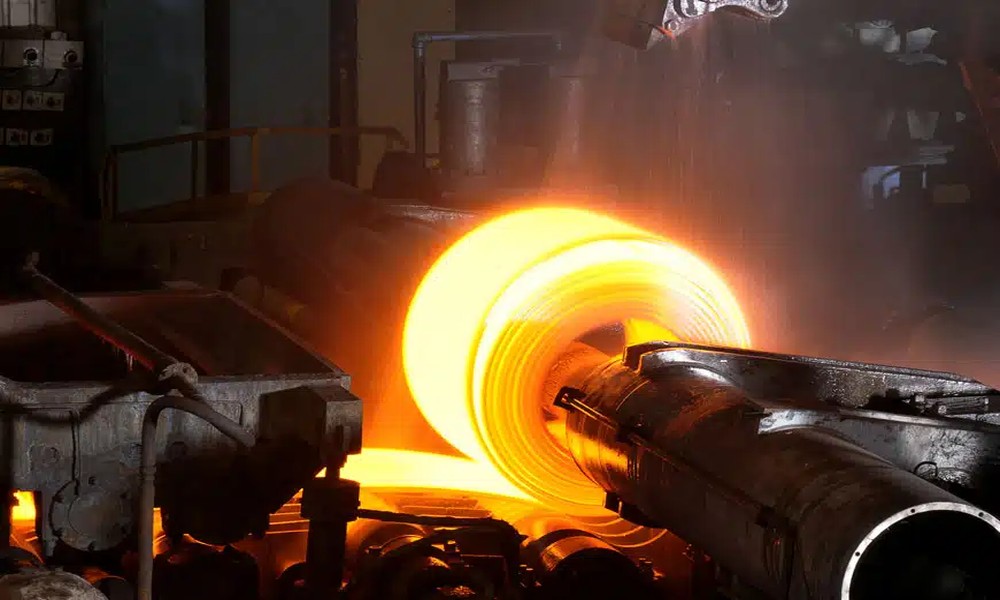
Shiny surfaces can hide hidden issues that weaken metal over time. Small traces of unwanted particles can change strength levels fast. One major concern is iron contamination of stainless steel during handling or forming. Such presence may reduce corrosion resistance and shorten service life. Careful checks help maintain material purity across every stage. Proper control ensures long lasting performance which connects every process discussed below.
Surface Monitoring Through Controlled Inspection Methods
Accurate checking methods help detect unwanted particles early. Simple visual tests support deeper evaluation tools for better results.
- Visual review identifies surface discoloration indicating early metallic interference risks
- Magnetic response testing highlights presence of foreign particles affecting structure integrity
- Chemical swab tests reveal surface impurities through color change reactions
- Light reflection analysis detects uneven layers caused by embedded foreign matter
Consistent inspection improves material reliability across processing stages.
Material Handling Discipline Across Production Units
Careful handling reduces exposure to harmful particles. Clean environments prevent cross-contact risks between materials.
- Dedicated tools avoid mixing carbon-based residues during fabrication stages
- Storage zones maintain separation between different metals to prevent transfer
- Protective covers shield surfaces from airborne dust carrying metallic fragments
- Clean gloves prevent human contact from introducing unintended foreign residues
- Equipment cleaning routines remove residual particles after each production cycle
- Transport paths remain isolated to avoid contact with contaminated surfaces
- Handling procedures follow strict guidelines to maintain purity levels at all times
- Inspection before movement ensures no external material attaches during transfer
Proper handling supports consistent product strength and finish.
Controlled Cleaning Methods During Processing
Cleaning steps play a vital role in maintaining surface integrity. Each stage demands careful selection of suitable cleaning methods. Acid-based treatments remove surface deposits effectively. Rinsing ensures no residue remains after treatment. Drying avoids moisture interaction that may trigger corrosion later.
Preventive Measures for Surface Integrity
Preventive planning reduces risk before issues appear. Equipment design helps limit contact with harmful elements. Smooth surfaces reduce particle attachment. Regular audits verify compliance with cleanliness standards. Early action saves time and cost.
Consistent Methods Ensure Lasting Strength
Strong results depend on steady routines and careful attention. Small actions protect material quality over time. Controlled handling plus proper inspection reduces risks effectively. Clean processes support better durability in every stage. Focus on discipline brings stable outcomes rather than quick fixes. Continuous improvement keeps production reliable and balanced.
