

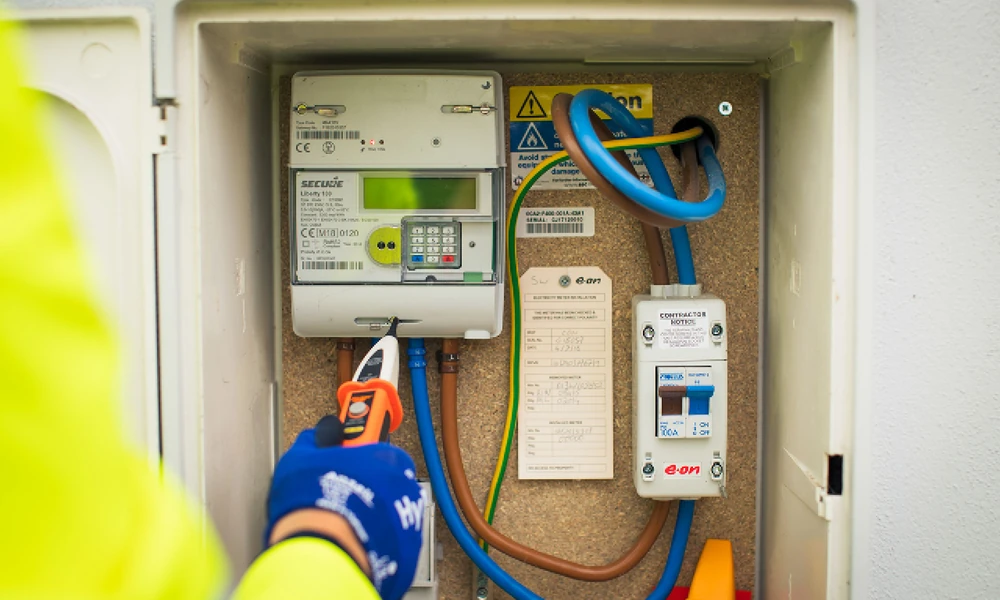
A new kitchen can look almost finished, yet one small detail may still be waiting. The walls are painted. The shelves are in place. Then someone notices that the gas connection still needs to be arranged. A new home gas connection can seem like a simple household task, but a little planning around the meter and property can make the process easier to manage.
Start with The Property Layout
The position of the meter matters from the beginning. There needs to be a suitable spot where it can be placed without getting in the way of normal household activity. Doors, windows, pathways, and existing fittings may all affect that choice. Looking around the property beforehand helps avoid last-minute changes. It also gives everyone a clearer idea of what needs attention before installation begins.
Keep Access Simple and Clear
A meter should not end up hidden behind stored items or blocked by furniture. It needs to remain reasonably accessible for checking and maintenance. This is easy to overlook when a home is being arranged for the first time. Boxes tend to gather quickly. Shelves get filled. Leaving the intended area open from the start is a small habit that can save unnecessary rearranging later.
Check the Surrounding Space
Site readiness is not only about the meter itself. The nearby area should be suitable for the planned connection and free from obvious obstructions. Existing household fittings may need to be considered as well. A quick inspection can reveal issues that are easier to handle before any work begins.
Think About Everyday Movement
Homes change once people begin using them. A corner that looks empty during planning may become a storage area later. That is why meter placement works best when viewed through ordinary household routines. People walk through the space, clean around it, store things nearby, and occasionally need access to fittings. The practical choice is often the one that continues making sense after the home becomes lived-in.
Allow Room for Routine Checks
Small checks become easier when access is straightforward. Nobody wants to move several stored items just to reach a meter. Keeping some open space around the installation point can make ordinary inspection less troublesome. This does not require a major change to the room. It simply means considering future access while deciding where everything belongs.
For a new home gas connection, it also helps to think about these everyday details before the installation stage:
• Keep the planned meter area free from unnecessary storage.
• Check that normal household movement will not block access.
• Consider nearby fittings before deciding the final position.
• Leave enough practical space for routine inspection.
• Keep the surrounding area easy to reach and maintain.
Notice the Small Practical Details
Some preparation is easy to miss because it does not seem important at first. The route toward the installation area, nearby household objects, and available working space can all shape how straightforward the process feels. Taking a few minutes to look at these details gives the property a little more order before the work begins.
| Site factor | What to check | Why it matters |
|---|---|---|
| Meter position | Clear and accessible area | Allows easier inspection |
| Nearby fittings | Existing pipes and fixtures | Helps avoid awkward placement |
| Access route | Clear path to the location | Makes installation easier |
| Household storage | Boxes and furniture nearby | Prevents blocked access |
| Property readiness | Basic site conditions | Reduces avoidable delays |
| Future access | Space remains reachable | Supports routine checks |
Traditional household arrangements often depend on simple routines. The same applies here. Clear access, sensible placement, and a prepared space remove small points of confusion. The surroundings may change as the house takes shape, but a well-considered meter location can continue fitting naturally into everyday use.
Questions People Often Ask
• Where should a gas meter generally be placed? It should be positioned in a suitable accessible area that does not interfere with normal movement or household activities.
• What should be checked before installation? Check the proposed location, surrounding space, access route, existing fittings, and anything that could obstruct the installation area.
• Why does meter access matter later? Easy access allows routine checks and maintenance without requiring furniture, boxes, or other household items to be moved.
• Does site readiness affect the installation process? Suitable preparation can help reduce avoidable issues by ensuring the intended area is clear and reasonably accessible.
There is something reassuring about getting these small details right before they become problems. A meter does not need to dominate a room or become part of daily thought. It simply needs a sensible place, enough access, and surroundings that remain practical as the household settles into its routines. That quiet preparation can make a new connection feel like one less thing to worry about.
